
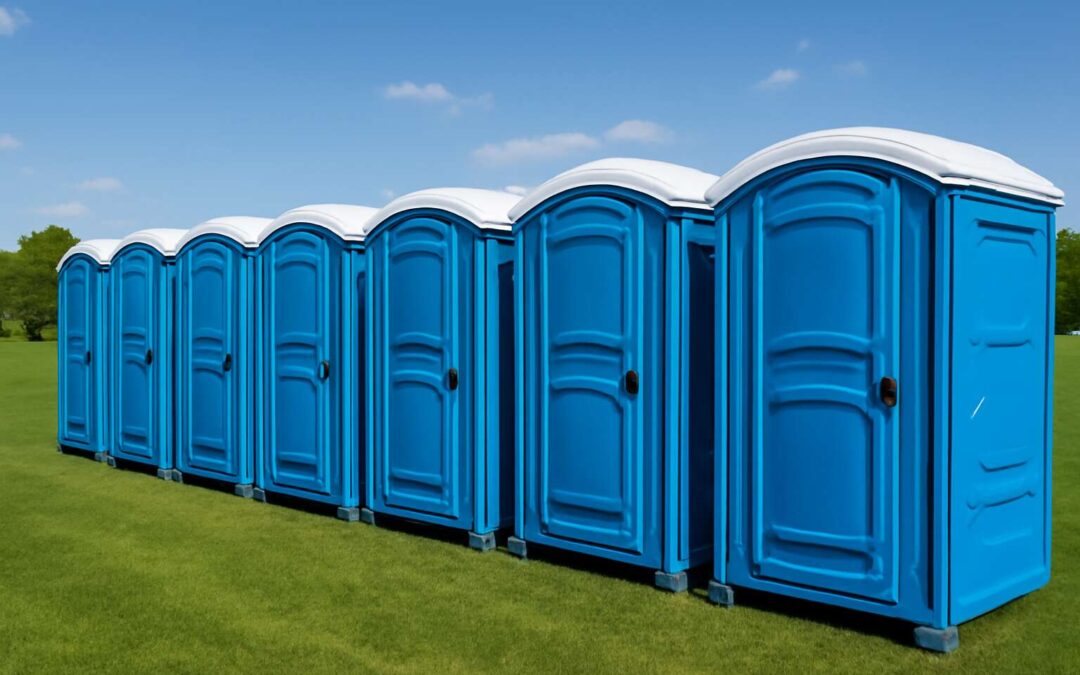
Definition and core features of portable toilets
Definition of portable toilets
In South Africa’s vibrant events calendar, reliable sanitation matters more than many other comforts. A common guideline for large gatherings suggests one portable toilet for every 50–60 attendees at peak times. So what are portable toilets? They are compact, self-contained sanitation units designed for temporary use on sites lacking permanent facilities. These units blend privacy, hygiene, and mobility into a durable shell you can position almost anywhere, from festival grounds to rural build sites.
When you unpack their essence, portable toilets reveal core features that make them work in real-world conditions:
- Self-contained waste-holding tank with sealable access for easy cleaning
- Chemical deodorising and evaporation system to curb odours
- Ventilation, privacy doors, and robust locking for dignity and safety
- Durable HDPE construction with smooth interiors for quick cleaning
From construction sites to outdoor events, these attributes translate into reliability, hygiene, and efficiency—qualities that South African organizers value deeply.
Core features and components
South Africa’s event season repeats the same quiet challenge: crowd flow hinges on accessible sanitation. A practical rule of thumb—one portable toilet for every 50–60 attendees at peak times—keeps lines manageable and air in the space for everyone.
So, what are portable toilets? They are compact, self-contained sanitation stations designed to slot into sites without permanent facilities, offering privacy, hygiene, and mobility in a rugged shell.
Core features and components include:
- Self-contained waste-holding tank with sealable access for easy cleaning
- Chemical deodorising and evaporation system to curb odours
- Ventilation, privacy doors, and robust locking for dignity and safety
- Durable HDPE construction with smooth interiors for quick cleaning
These attributes translate into reliability on construction sites and events, where South African organizers value efficiency and hygiene alike.
Understanding what are portable toilets in practice helps planners balance cost, comfort, and compliance.
How portable toilets work
In South Africa, the difference between a festival memory and a chaotic queue often comes down to sanitation that travels with the crowd. When facilities are reliable and accessible, attendee satisfaction climbs and lines stay short—and that matters.
So, what are portable toilets? They are compact, mobile sanitation stations designed to slot into sites without permanent facilities, offering privacy, hygiene, and mobility in a rugged shell that keeps pace with SA events.
- Self-contained setup handles waste on site until service crews arrive
- Integrated odour management and airflow keep interiors welcoming
- Easy cleaning and quick turnover support busy event timelines
Typical dimensions and capacity
What are portable toilets? They are compact, mobile sanitation stations designed to slot into sites without permanent facilities, offering privacy, hygiene, and mobility in a rugged shell that keeps pace with SA events. In the hustle and dust of a festival, they become the quiet anchor that supports crowd flow and dignity, turning potential chaos into manageable rhythms.
- Footprint roughly 1.2 m by 1.0 m
- Exterior height about 2 m; interior standing height ~1.9 m
- Waste holding capacity around 60–100 litres
Size and capacity are tuned to serve back-to-back users and rapid turnover, blending practical engineering with a humane, spectator-friendly touch.
Types and configurations of portable toilets
Standard porta-potty models
When you ask what are portable toilets, you’re seeking quiet dignity on a schedule that never forgives delays. “Sanitation is the quiet cost of civil society,” a facilities manager told me, and that charge lands with every clean, functioning unit on a windy field.
Types and configurations span the standard porta-potty to specialized arrangements designed for accessibility, privacy, and extended events. In practice, you’ll find:
- Standard porta-potty model with basic flush capability and privacy curtain
- Wheelchair-accessible unit with extra room and rails
- Deluxe VIP unit with lighting, mirror, and hand-washing station
- Site-wide sanitation trailers for large crowds
Beyond the basics, these configurations adapt to climate and terrain in South Africa, ensuring reliability even in dust and heat. In short, what are portable toilets if not portable sanctuaries that keep communities moving.
VIP and luxury portable toilets
When you ask what are portable toilets, you step into a spectrum that has moved beyond the row of simple units and into refined, purpose-built spaces. VIP and luxury configurations in South Africa blend hospitality-grade touches with rugged reliability, designed to withstand dust, heat, and long events. From larger footprints to customized interiors, these units offer privacy, comfort, and service-friendly layouts that keep crowds moving on schedule.
- Extended tank capacity and efficient waste management
- Premium fixtures and non-slip, easy-clean surfaces
- Ambient lighting, ventilation, and privacy enhancements
- Service-ready interfaces for rapid maintenance
In practice, these configurations ensure dignity under harsh conditions and stand as portable sanctuaries that travel with the event, not against it.
Wheelchair accessible units
When you ask what are portable toilets, you discover a spectrum that reads like a map of modern gatherings. In South Africa, configurations blend dignity with rugged reliability, designed to withstand dust, heat, and long events. Wheelchair accessible units offer generous interiors, wider doors, and privacy that travels with the crowd.
- Wheelchair-accessible units with generous turning space and low-access thresholds
- Multi-use pods with integrated handwashing and proper ventilation
- Compact, eco-friendly variants for tight sites and urban venues
From premium to practical, these configurations emphasize flow, service-ready interfaces, and quiet dignity—even under the South African sun—so guests experience ease, not interruption!
Specialty and event units
South Africa hosts hundreds of major outdoor gatherings each year, and the right restrooms keep the show rolling. So, what are portable toilets? They’re not a single product but a spectrum of configurations built to endure dust, heat, and marathon queues while preserving dignity.
From compact eco pods for tight sites to multi-stall setups for mega crowds, specialty units tailor comfort to the moment. Weddings, sports events, and corporate affairs each get a vibe‑matched enclosure that blends practicality with quiet finesse.
- Compact eco pods for tight urban sites
- High-capacity multi-stall enclosures for big crowds
- Discreet accessible variants prioritizing space and privacy
Bottom line: these configurations focus on service-ready interfaces, easy refills, and a dignity-forward experience under the South African sun.
Use cases and planning considerations
Event planning and site layout
At South African events, the question isn’t if people need toilets, but how elegantly you provision them. The prompt ‘what are portable toilets’ often appears in planning briefs as the unsung MVPs—compact, sanitary hubs that keep crowds moving. A well-placed row can spare you from groans at the finale.
Use cases span everything from outdoor festivals and sports matches to construction sites and pop-up markets.
- Outdoor festivals and sporting events
- Construction sites and film shoots
- Weddings and private events
From a planning perspective, factors like weather, crowd movement, and upkeep mingle in one practical reality. Site layout should weave toilets into the venue’s choreography—accessible yet discreet, with lighting and signage guiding attendees as dusk arrives. A mix of standard and accessible units, along with maintenance rhythms, keeps the vibe pleasant without stealing the show.
Worksites and construction sites
Outdoor festivals and temporary facilities
Outdoor festivals in South Africa hinge on more than stages and sound; sanitation shapes the evening as reliably as the weather. A recent survey found queuing and sanitation are the top concerns of attendees, underscoring what are portable toilets—how they shape comfort, flow, and safety at temporary sites.
Use case scenarios for outdoor venues extend from pop-up concerts and sports days to bustling markets and film shoots. When planning, map access routes, service intervals, and waste disposal, and select units with accessibility, adequate waste capacity, and robust cleaning schedules to keep lines short and dignity intact.
- Site access and layout to minimize lines
- Accessibility and inclusion for all attendees
- Waste removal schedules and on-site staffing
- Weather, power, and back-up contingency planning
Public venues and rental timelines
In South Africa, nearly 70% of attendees say sanitation shapes their event experience. What are portable toilets? They are modular, mobile sanitation hubs that keep crowds moving and dignity intact at temporary sites, from seaside festivals to inland markets.
Use cases span pop-up concerts, sports days, bustling markets, and film shoots. When planning, align rental timelines with site access, delivery windows, and service cycles; prioritize units with accessible features, ample waste capacity, and robust cleaning. Easy-flow layouts minimize lines and keep attendees comfortable.
- Site access and layout to minimize lines
- Accessibility and inclusion for all attendees
- Waste removal schedules and on-site staffing
- Weather, power, and back-up contingency planning
Maintenance, sanitation, and regulatory considerations
Cleaning and sanitation processes
Some nights the city sounds fade, but the hush around portable facilities speaks volumes. What are portable toilets if not quiet sentinels of comfort at events and job sites? Understanding this tool helps planners gauge upkeep rhythms—where maintenance meets mood and sanitation stays steadfast, even when the weather gnaws at the perimeter.
Maintenance, sanitation, and regulatory considerations weave a careful spell. Cleaning and sanitation processes rely on approved products, temperature controls, and odor management to keep fixtures approachable rather than haunted. In South Africa, regulatory oversight demands compliance with municipal health bylaws and waste disposal standards, plus routine inspections to ensure safety.
- Local health bylaws compliance
- Proper waste handling and disposal
- Documentation and routine inspections
From the shadows, these chambers remind us that cleanliness is civic duty and guest comfort rolled into one.
Waste management and disposal
What are portable toilets if not quiet sentinels of dignity at events and job sites? Maintenance here is a daily rhythm—balancing cleanliness with comfort so the space remains welcoming even as the perimeter gnaws at the weather outside.
Maintenance, sanitation, and regulatory considerations weave a careful spell. Cleaning hinges on approved products, temperature control, and odor management to keep fixtures approachable rather than haunted. In South Africa, compliance flows through municipal health bylaws and waste-disposal standards, with routine inspections and licensed operators watching over every tank.
- Municipal health bylaws compliance and applicable permits
- Safe waste handling and disposal through approved channels
- Documentation and routine inspections to verify safety
- Operator licensing, training, and equipment standards
Cleanliness becomes a civic duty, a quiet vow that hospitality travels with every unit.
Regulatory standards and compliance
The world rarely notices the quiet compliance that keeps events sanitary, yet it matters. The question of what are portable toilets often goes unanswered by glossy brochures, but they’re more than a plastic shell—a regulated, clean-room backstage pass for South Africa’s outdoor life. Regulatory standards drive every flush and every inspection with polite persistence.
Key regulatory touchpoints keep operators honest and tanks lawful:
- Municipal health bylaws
- Permits and waste-handling approvals
- Documentation and routine inspections
- Operator licensing, ongoing training, and equipment standards
In practice, this governance translates to safer waste streams and a more reliable guest experience. Compliance isn’t decorative; it’s how hospitality travels with every unit.
Maintenance schedules and best practices
In South Africa’s busiest venues, the smallest room can swing a moment from quiet to unforgettable. A recent industry poll found that 87% of attendees judge an event by toilet cleanliness.
Maintenance schedules and practical checks keep units trustworthy:
- Morning visual inspections for leaks, doors, and locks
- Timed pump-outs and waste removal according to site load
- Restocking tissue, wipes, and hand sanitizer
- Seals, vents, and deodorizer monitoring
for those asking what are portable toilets, think of them as self-contained spaces that must be sanitized regularly with approved cleaners, fresh water where possible, and odor control that respects nearby communities.
Regulatory considerations shape every decision—training, documentation, and routine checks—ensuring waste streams stay safe and units remain compliant with local standards.
